

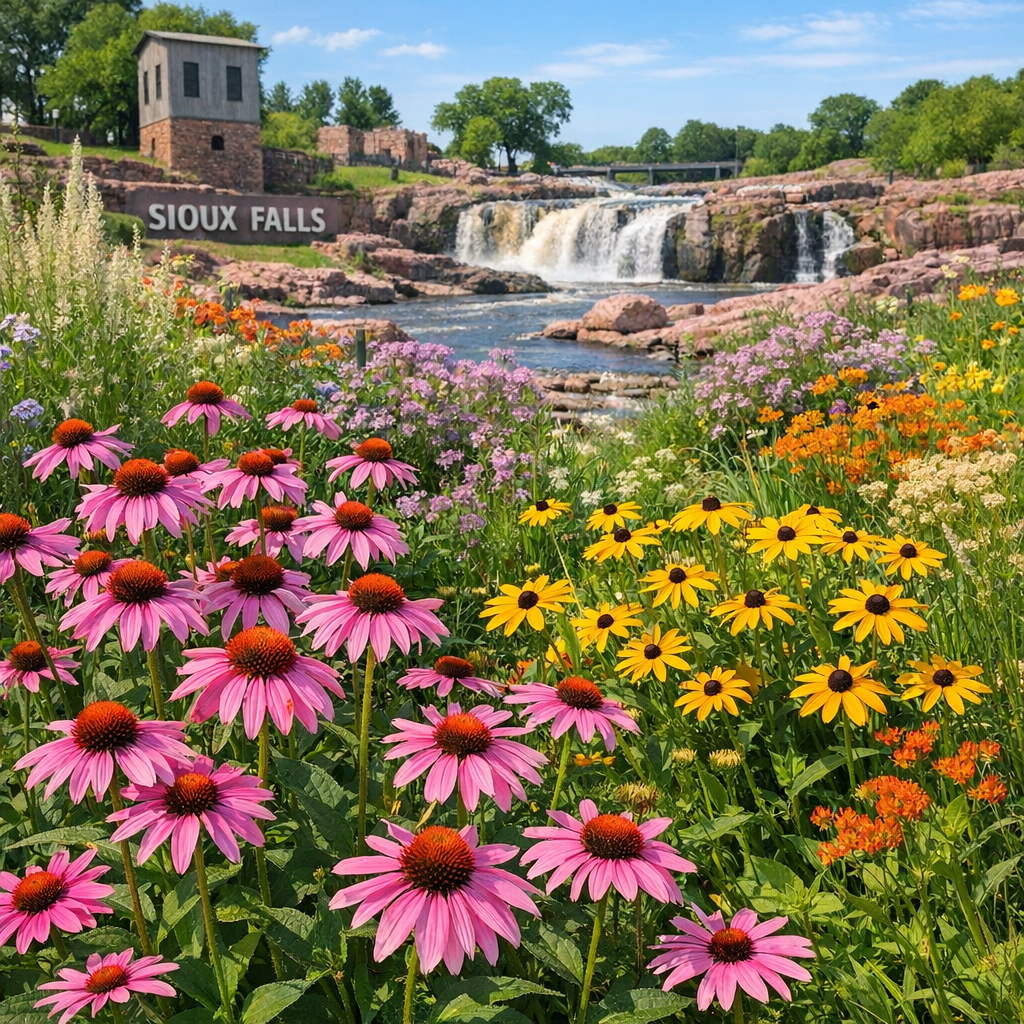
Sioux Falls, situated in the heart of the Upper Midwest, experiences a humid continental climate characterized by hot summers and cold winters. This climate presents unique challenges and opportunities for local gardeners and landscapers. One effective approach to creating resilient and low-maintenance landscapes is the incorporation of native plants.
Why Choose Native Plants?
Native plants are species that have evolved in a specific region over thousands of years, adapting to the local climate, soil, and wildlife. In Sioux Falls, utilizing native flora offers several advantages:
- Water Efficiency: Once established, native plants require minimal irrigation, as they are adapted to the natural rainfall patterns of the area.
- Wildlife Support: These plants provide essential habitats and food sources for local wildlife, including pollinators like bees and butterflies.
- Soil Health: Deep root systems of native species improve soil structure, enhance drainage, and prevent erosion.
Top Native Plants for Sioux Falls Landscapes
Incorporating the following native plants can enhance the beauty and sustainability of your garden:
Perennials
- Purple Coneflower (Echinacea purpurea): Blooms from June to September, attracting pollinators and providing seeds for birds in the fall.
- Black-eyed Susan (Rudbeckia hirta): Offers bright yellow flowers from June to October and is known for its drought tolerance.
- Wild Bergamot (Monarda fistulosa): Also known as Bee Balm, this plant blooms from July to September and is a favorite among hummingbirds and bees.
Shrubs
- Serviceberry (Amelanchier canadensis): Provides early spring blossoms, edible berries, and vibrant fall foliage.
Grasses
- Little Bluestem (Schizachyrium scoparium): A warm-season grass with striking blue-green foliage that turns reddish-orange in the fall.
Local Initiatives Promoting Native Landscaping
The City of Sioux Falls has recognized the importance of native vegetation through projects like the Native Prairie Project. This initiative aims to improve water and air quality, reduce erosion, and provide habitats for native wildlife by establishing native prairie buffer strips in local parks. Notable sites include areas in Dunham Park and Legacy Park, where educational signs inform the public about the benefits of native plants.
Getting Started with Native Plants
For those interested in incorporating native plants into their landscapes, consider the following steps:
- Research Suitable Species: Identify native plants that thrive in Sioux Falls’ climate and soil conditions.
- Source Plants Locally: Visit local nurseries specializing in native plants or attend plant sales organized by conservation groups.
- Plan Your Landscape: Design your garden to include a variety of native species that bloom at different times, providing continuous support for wildlife.
By embracing native plants, Sioux Falls residents can create beautiful, sustainable landscapes that benefit both the environment and the community.