

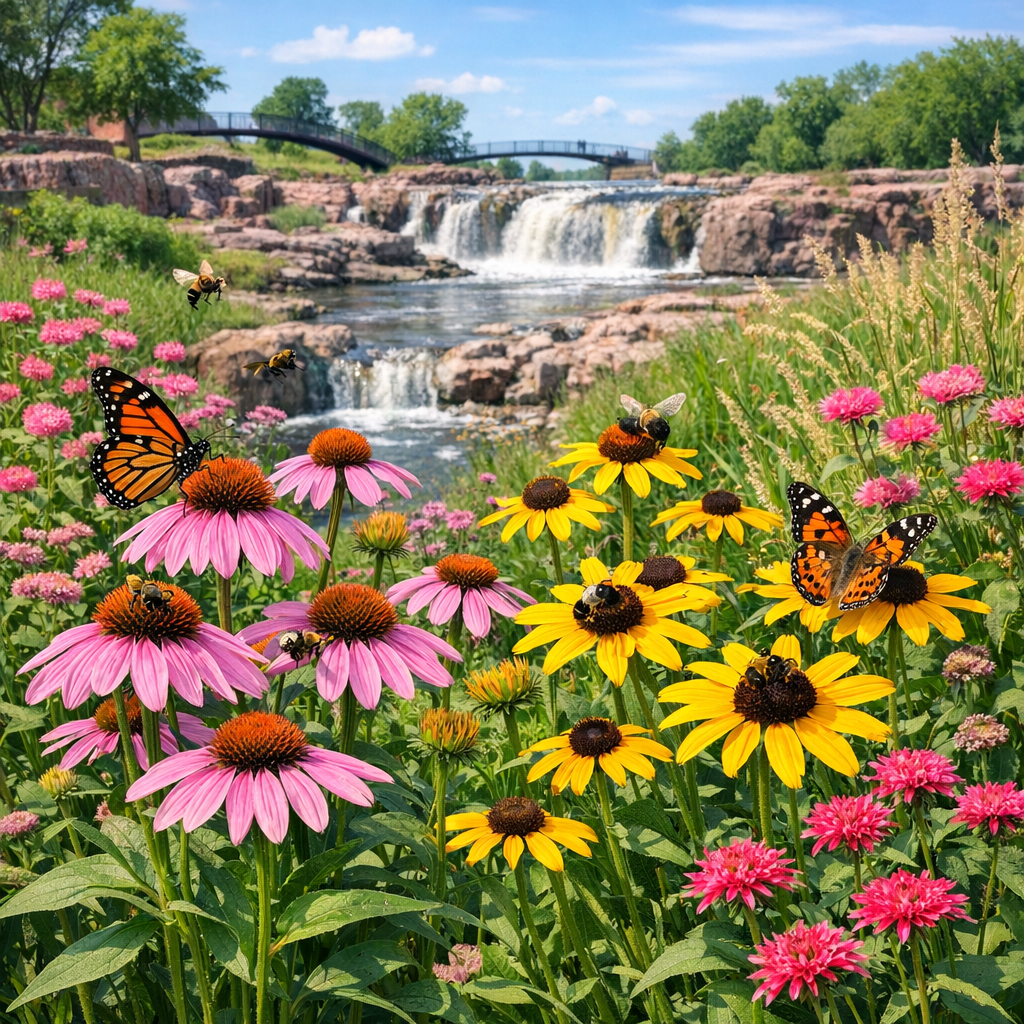
Sioux Falls, situated in the Upper Midwest, experiences a humid continental climate characterized by hot summers and cold winters. This climate presents unique challenges and opportunities for local gardening and landscaping. One effective approach to creating sustainable and resilient landscapes is the incorporation of native plants.
Understanding Native Plants
Native plants are species that have evolved over thousands of years in a specific region, adapting to local soil, climate, and wildlife. In Sioux Falls, these plants are well-suited to the area’s conditions, requiring minimal maintenance once established. They thrive without the need for fertilizers, pesticides, or excessive watering, making them an environmentally friendly choice for gardeners and landscapers.
Benefits of Native Plants
Water Conservation
Once established, native plants in Sioux Falls require no supplemental irrigation. They have adapted to the region’s natural rainfall patterns and seasonal dry spells, reducing the need for additional watering and conserving valuable water resources.
Support for Local Wildlife
Native plants support a significantly higher number of wildlife species compared to non-native ornamentals. They provide essential habitats and food sources for insects, birds, and other wildlife that have co-evolved with them. For instance, plants like the Purple Coneflower (Echinacea purpurea) and Black-eyed Susan (Rudbeckia hirta) are known to attract native bees and butterflies, contributing to the health of local ecosystems.
Soil Health Improvement
The deep root systems of native plants enhance soil health by improving drainage, preventing erosion, and sequestering carbon. These roots help build soil structure over time, making the land more resilient to environmental stresses.
Top Native Plants for Sioux Falls
Perennials
- Purple Coneflower (Echinacea purpurea): Blooms from June to September, reaching heights of 2–4 feet. It thrives in full sun to part shade and is drought-tolerant once established.
- Black-eyed Susan (Rudbeckia hirta): Blooms from June to October, with a height of 1–3 feet. Prefers full sun and has a long bloom season, attracting native bees and butterflies.
- Wild Bergamot (Bee Balm) (Monarda fistulosa): Blooms from July to September, growing 2–4 feet tall. It attracts native bees and hummingbirds and spreads to form colonies.
Shrubs
- Serviceberry (Juneberry) (Amelanchier canadensis): Ranges from 6–20 feet in height, offering four-season interest with early spring blooms and fall foliage.
Ornamental Grasses
- Little Bluestem (Schizachyrium scoparium): Grows 2–4 feet tall, providing brilliant rust-red fall color and serving as a habitat for native sparrows.
City Initiatives Supporting Native Plantings
The City of Sioux Falls has recognized the importance of native vegetation through initiatives like the Native Prairie Project. This project aims to create spaces for native vegetation to improve water and air quality, beautify the landscape, reduce erosion, and provide habitat for native wildlife. Notable implementations include native prairie buffer strips in Yankton Trail Park, Dunham Park, and Legacy Park, accompanied by educational signage to inform the public about the benefits of native plants.
Getting Started with Native Plants
For residents interested in incorporating native plants into their landscapes, consider the following steps:
- Research Suitable Species: Identify native plants that thrive in Sioux Falls’ climate and soil conditions. Resources like the South Dakota Native Plant Society and local nurseries specializing in native plants can provide valuable information.
- Plan Your Landscape: Design your garden to include a variety of native species that bloom at different times, ensuring continuous support for local wildlife throughout the seasons.
- Prepare the Site: Choose locations that match the sunlight and soil requirements of your selected native plants. Proper site preparation can enhance plant establishment and growth.
- Planting and Maintenance: Plant during appropriate seasons, typically spring or fall, and provide initial care such as watering during dry spells until the plants are established. Once established, native plants require minimal maintenance.
By embracing native plants, Sioux Falls residents can create beautiful, low-maintenance landscapes that support local biodiversity, conserve water, and contribute to the overall health of the environment.