

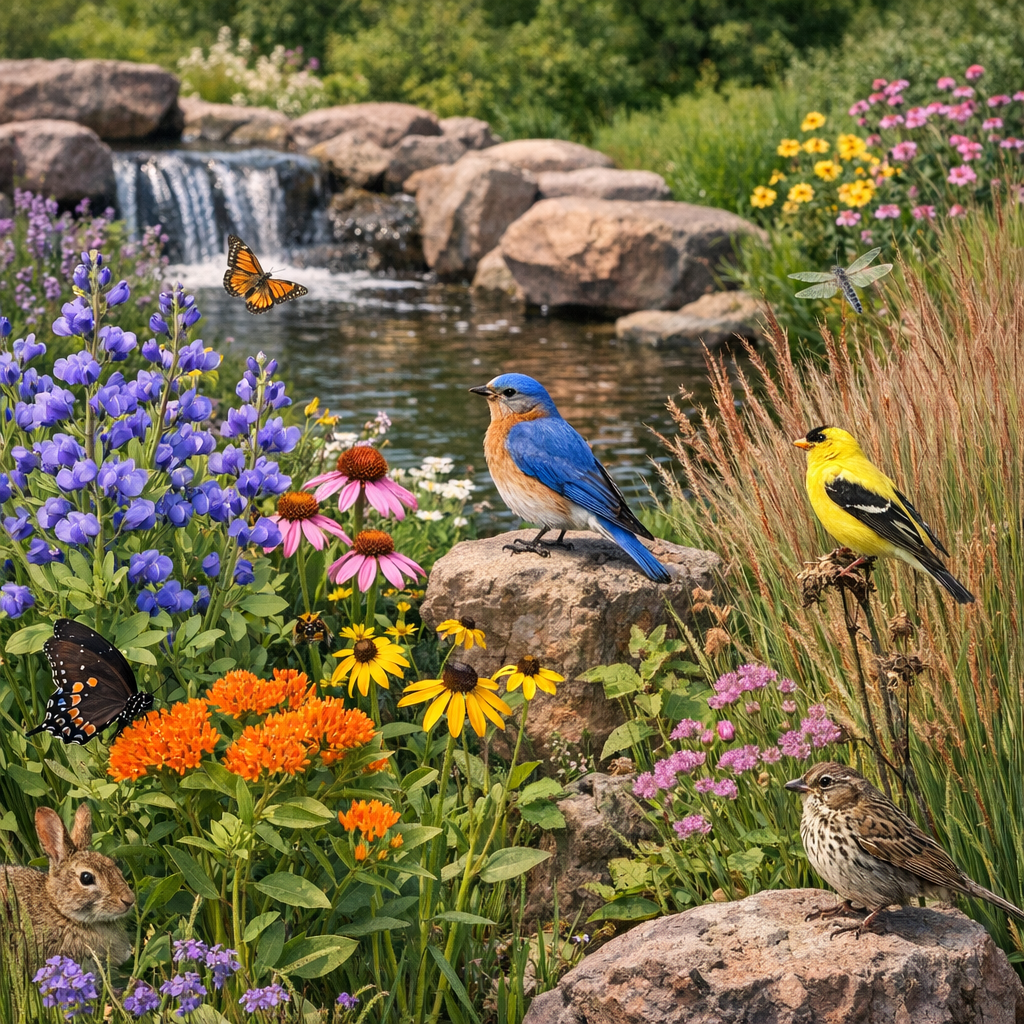
Gardening enthusiasts in Sioux Falls have a unique opportunity to create sustainable and vibrant landscapes by incorporating native plants into their gardens. Native species are those that have evolved over thousands of years to thrive in our local climate and soil conditions, offering numerous benefits to both gardeners and the environment.
Why Choose Native Plants?
Native plants are well-adapted to the specific conditions of Sioux Falls, including its humid continental climate characterized by hot summers and cold winters. This adaptation means they require less water once established, reducing the need for supplemental irrigation. Additionally, these plants have developed natural defenses against local pests and diseases, minimizing the need for chemical pesticides and fertilizers.
Beyond their resilience, native plants play a crucial role in supporting local wildlife. They provide essential habitats and food sources for native insects, birds, and other wildlife species. For instance, planting species like the New England Aster (Symphyotrichum novae-angliae) can offer critical late-season resources for pollinators such as monarch butterflies and native bees.
Top Native Plants for Sioux Falls Gardens
Perennials
- Blue Wild Indigo (Baptisia australis): Blooming from May to June, this plant reaches heights of 3–5 feet and thrives in full sun to part shade. It’s known for its long lifespan and nitrogen-fixing root system, benefiting soil health.
- Cardinal Flower (Lobelia cardinalis): With striking red blooms from July to September, this 2–4 foot tall plant prefers part shade to full sun and attracts ruby-throated hummingbirds.
Shrubs
- Serviceberry (Amelanchier canadensis): Also known as Juneberry, this shrub grows 6–20 feet tall and offers four-season interest, including early spring blooms that are vital for bees and vibrant fall foliage.
Ornamental Grasses
- Little Bluestem (Schizachyrium scoparium): Standing 2–4 feet tall, this grass provides brilliant rust-red fall color and serves as a nesting site for native sparrows.
Planting and Maintenance Tips
To successfully establish native plants in your garden, consider the following guidelines:
- Planting Time: The ideal times to plant native species are in the spring or fall. This timing allows plants to establish roots during cooler, wetter periods.
- Watering: During the first year, water plants weekly during dry spells. By the second year, watering is only necessary during drought conditions. By the third year, native plants typically become self-sufficient.
- Soil and Fertilization: Most native plants prefer well-drained soil and perform better in average or poor soil conditions. Over-fertilizing can lead to excessive growth and reduced flowering.
By integrating native plants into your Sioux Falls garden, you contribute to a healthier ecosystem, conserve water, and enjoy a low-maintenance, resilient landscape that reflects the natural beauty of our region.